Lemkin Institute Condemns Aliyev’s “Genocidal Rhetoric” and Calls for Release of Armenian Detainees
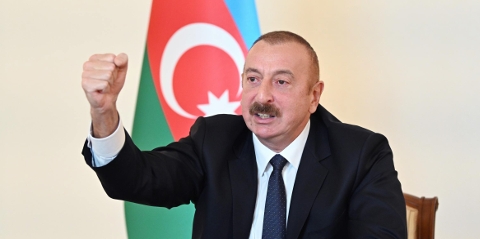
The Lemkin Institute for Genocide Prevention strongly condemns remarks by Azerbaijani President Ilham Aliyev, who compared Armenian detainees to Nazi war criminals. The Institute warns that this analogy distorts historical reality, minimizes the Holocaust, and constitutes a form of genocide denial.
Independent experts and international bodies have identified genocide risk factors, while Armenian prisoners are reportedly subjected to torture and show trials in violation of international humanitarian law.
Urges the international community to reject Aliyev’s genocidal rhetoric, demand the immediate release of Armenian prisoners, and apply coordinated pressure on Azerbaijan’s leadership.
Filmmaker Prosecuted in Turkey for Screening Armenian Genocide Documentary
Kurdish filmmaker Rojhilat Aksoy is on trial in Turkey for screening the animated documentary Aurora’s Sunrise, which tells the story of Armenian Genocide survivor Aurora (Arshaluys) Mardiganyan.
Azerbaijan’s Ethnic Cleansing in Nagorno-Karabakh
and Genocidal Policy
From Homeland to Ghost Towns: New Footage Reveals Post-2023 Reality in Nagorno-Karabakh
A travel vlogger known as YoungMin shared a firsthand account of visiting Nagorno-Karabakh in 2026, describing the region as a “country that vanished overnight” following the 2023 displacement of its entire Armenian population.
During his visit to Azerbaijan, he also documented an Armenian church in Baku showing signs of vandalism, a stark reminder of the legacy of war and ethnic violence against Armenians.
Ruben Vardanyan Barred from Addressing Azerbaijan’s Ombudsperson, Family Raises Alarm
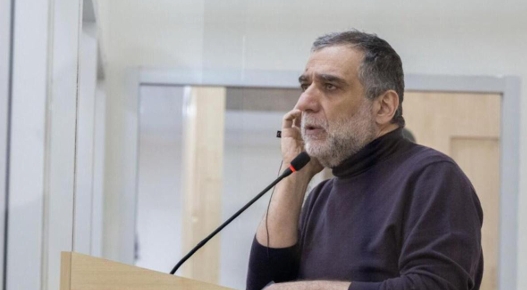
Ruben Vardanyan, former Nagorno-Karabakh State Minister, was prevented from delivering a public message to Azerbaijan’s Ombudsperson, Sabina Aliyeva, after a phone call with his family was forcibly terminated. His family stated this was a last-resort attempt following repeated unsuccessful efforts to contact her through legal and formal channels.
According to the family, neither Vardanyan nor other Armenian prisoners have received official verdict texts or clear information about the charges, transfer locations, or timelines. This absence of basic legal transparency has intensified concerns about their rights and safety in Azerbaijan.
Peace Without People: Nagorno-Karabakh Left Out of the Declaration
The peace declaration signed between Armenia and Azerbaijan in Washington raised hopes, signaling a possible step toward stability but offering no concrete solutions for displaced communities.
Former state minister and human rights ombudsman Artak Beglaryan emphasized that the declaration failed to mention Nagorno-Karabakh or its people, leaving the humanitarian and rights-related concerns of displaced residents unresolved.
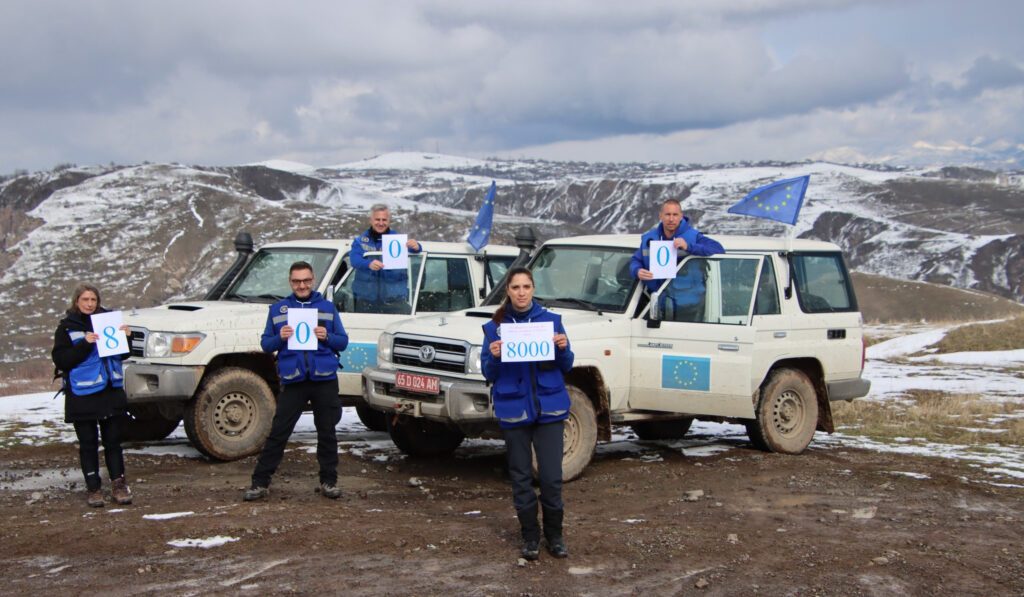
EU Mission in Armenia has conducted its 8000th patrol.
Photo Courtesy of EUMA.
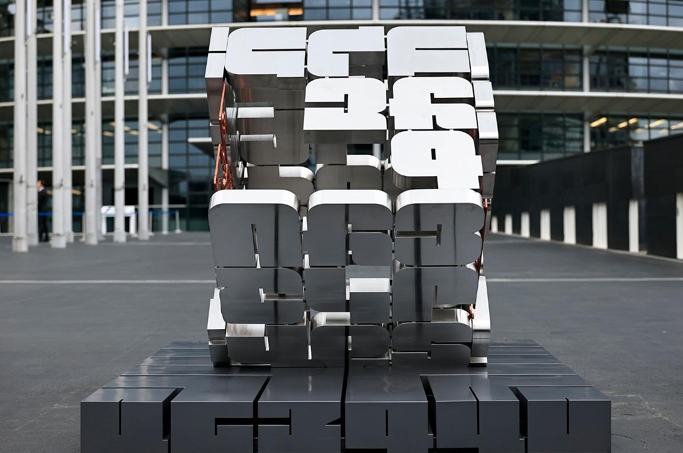
In Strasbourg, a monument to the Armenian alphabet was unveiled in the area adjacent to the European Parliament building.
Photo Courtesy of the Prime Minister of Armenia.
Security
McCain Institute Warns of Russian Hybrid Threats Ahead of Armenia’s June Elections
A McCain Institute delegation conducted a pre-election assessment in Armenia ahead of the June 7 National Assembly elections, identifying key risks to electoral integrity and democratic stability.
Russian hybrid warfare poses a major threat, with risks of disinformation, interference, and manipulation of public perception around the peace process.
The Armenian Apostolic Church has emerged as a significant political actor, with Catholicos Karekin II actively opposing Prime Minister Nikol Pashinyan.
State institutions face capacity gaps in countering foreign influence and addressing corruption during the pre-election period.
The election is widely viewed as a critical moment for Armenia’s path toward peace and long-term stability following recent regional developments.
European Parliament President Reaffirms Strong Partnership Between Europe and Armenia
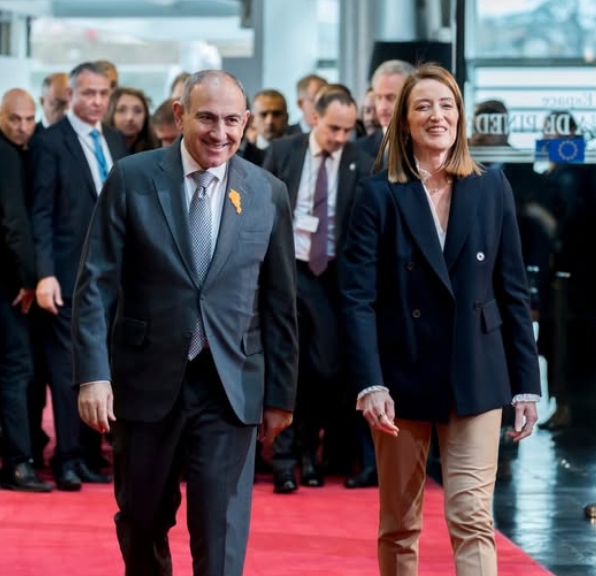
The President of the European Parliament welcomed Armenian Prime Minister Nikol Pashinyan back to Parliament in Strasbourg, highlighting the importance of his address to MEPs amid a crucial moment for global and regional affairs.
Armenia and United States Advance Strategic Partnership and Nuclear Energy Cooperation
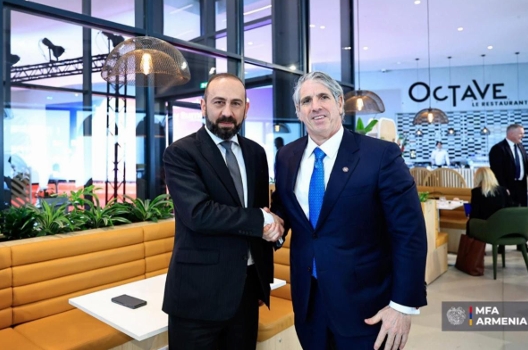
Armenian Foreign Minister Ararat Mirzoyan met in Paris with Thomas DiNanno, U.S. Under Secretary of State for Arms Control and International Security, to discuss ways to deepen the strategic partnership between Armenia and the United States across multiple sectors.
The two sides welcomed the successful conclusion of negotiations on the agreement between Armenia and the United States on the peaceful use of nuclear energy, also known as the 123 Agreement.
Armenia Opens Resident Embassy in Switzerland, Strengthening Bilateral Relations
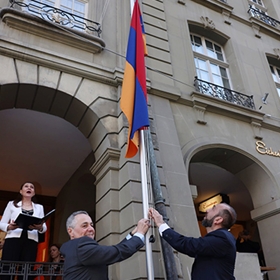
On March 12, during the official visit of Armenia’s Foreign Minister Ararat Mirzoyan, the resident Embassy of the Republic of Armenia was officially opened in Bern, with the participation of Swiss Foreign Minister Ignazio Cassis, marking a significant step in Armenia–Switzerland diplomatic relations.
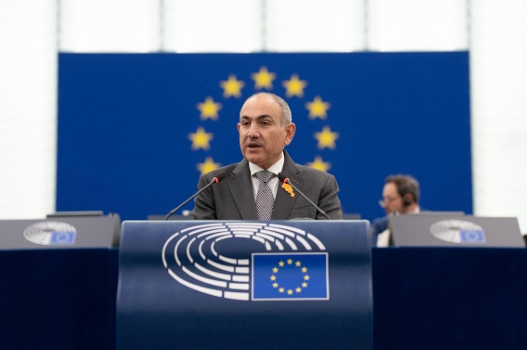
Prime Minister Nikol Pashinyan Highlights Peace with Azerbaijan and Armenia’s EU Aspirations at the European Parliament
Addressing Members of the European Parliament, Nikol Pashinyan described the August 2025 peace agreement between Armenia and Azerbaijan as a historic achievement of centennial significance, emphasizing that safeguarding peace—even if imperfect—is essential for long-term regional stability.
The Prime Minister outlined ongoing challenges within Armenia, including the resettlement of displaced Armenians from Nagorno-Karabakh, efforts to free Armenian prisoners of war, and resistance from certain political and religious groups. He stressed that democratic resilience and upcoming parliamentary elections are key to making peace irreversible.
He underlined the need for continued reforms aligned with EU standards and highlighted the importance of constructive EU relations with Georgia, which serves as Armenia’s vital gateway to Europe.
Armenia and EU Discuss Defence Cooperation and Security in Brussels
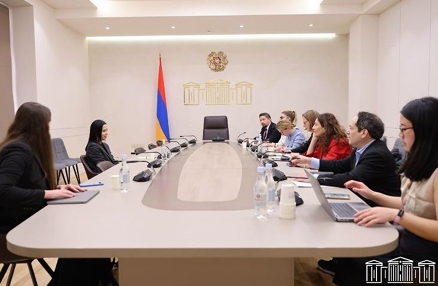
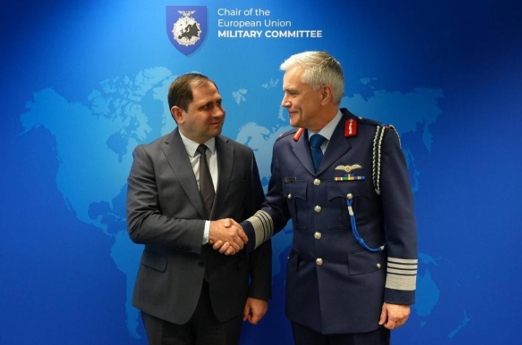
On March 13 in Brussels, Armenian Minister of Defence Suren Papikyan met with the Chairman of the EU Military Committee, General Sean Clancy, to discuss strengthening Armenia–EU cooperation in the field of security and defence.
U.S. Signals Expanded Trade and Investment Cooperation with Armenia Through TRIPP
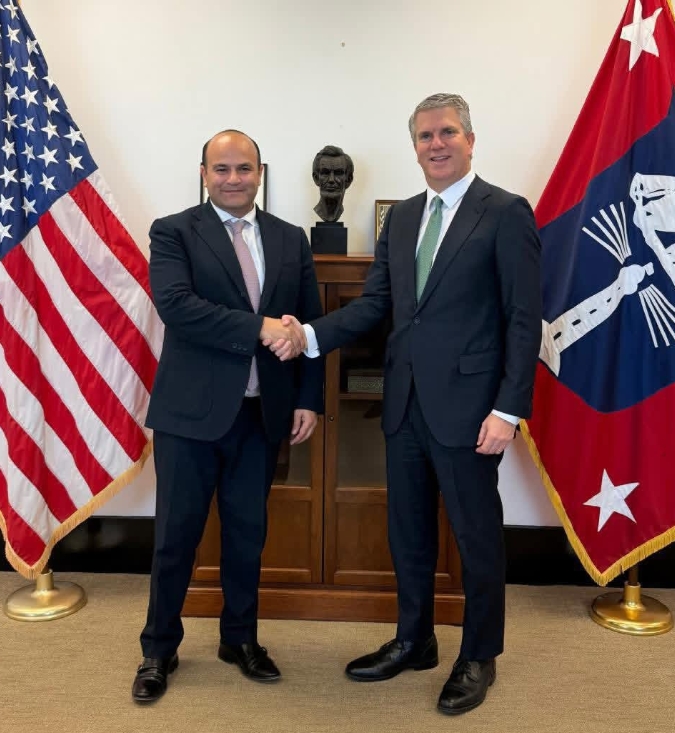
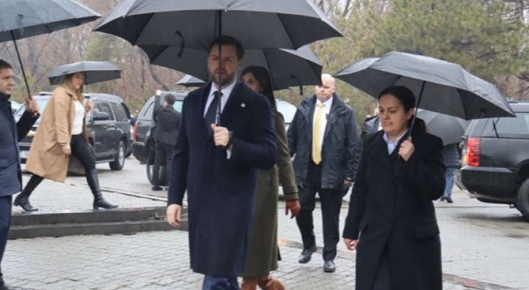
Following U.S. Vice President J.D. Vance’s February visit to Armenia, U.S. Assistant Secretary of Commerce David Fogel stated on the official U.S. Department of Commerce platform that the United States is ready to work with industry and regional partners to promote mutually beneficial trade and investment opportunities across Armenia and Azerbaijan.
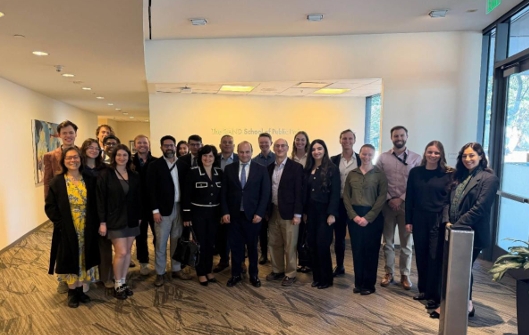
Narek Mkrtchyan delivered a lecture at the headquarters of the RAND Corporation, with the participation of Armenia’s Consul General in Los Angeles Anna Avetisyan, highlighting Armenia’s active engagement with prominent U.S. research institutions.
International Genocide Scholars Condemn Forced Removal of AGMI Director Edita Gzoyan
Leading international scholars of genocide studies issued a joint statement expressing grave concern over the forced resignation of Edita Gzoyan, Director of the Armenian Genocide Museum Institute.
The scholars highlighted the timing of Gzoyan’s removal, which followed her guided tour of the Tsitsernakaberd Memorial for U.S. Vice President J.D. Vance, during which she addressed both the 1915 Armenian Genocide and later anti-Armenian atrocities.
Armenia’s Diversified Partnerships: Opportunities and Risks in a Fragmenting Geopolitical Order
By Sossi Tatikyan
American engagement has also played an important role in mitigating immediate security risks in the region. U.S. diplomatic efforts reportedly contributed to discouraging Azerbaijan from launching a new military offensive against Armenia in the spring–summer of 2025. This was followed by President Donald Trump’s mediation at the Washington summit, which produced an unfinished peace framework between Armenia and Azerbaijan and launched the TRIPP connectivity initiative. The latter, envisioning transport infrastructure linking the region through Armenia, reflects Washington’s effort to frame regional connectivity as a tool for economic integration and conflict mitigation.
Georgia’s Political Crisis Hampers Armenia’s EU Integration Path
By Giorgi Rukhadze
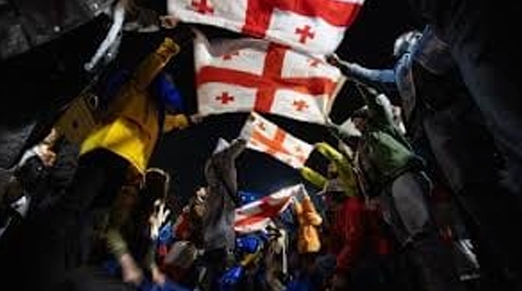
Armenian Prime Minister Nikol Pashinyan accurately described current realities when stating that the freeze in political dialogue between the European Union and Georgia is one of the main obstacles to Armenia’s European integration.
Georgia’s stalled EU integration is the result of the country being effectively ruled by Russian oligarch Bidzina Ivanishvili, which has led to the suspension of EU negotiations.
Why the Iran-US War Could Be a Turning Point for Armenia
By Solène Tadié
Christianity is an essential part of Armenian identity. Without adopting Christianity as a national religion in 301, Armenia would not have survived in this region.
Today, we may be facing another civilizational moment. We are encouraged to see signs of a revival of Christian values in the West. These values are also the foundation of the Western understanding of individual freedom and rights. Only Christianity can save Western civilization.
Armenia can Become Key Land Hub Linking Asia and Europe
By Karen Khachatryan
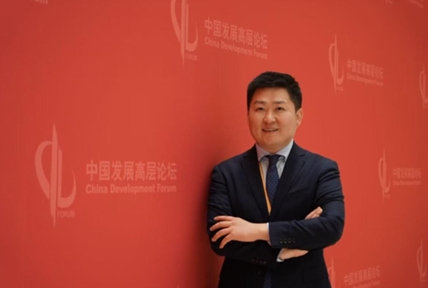
Shen Shiwei, founder of the China Briefing newsletter and a Beijing-based political and economic analyst, said Armenia could become an important land hub connecting Asia and Europe.